Child and Pet Pool Safety Measures
Pool Safety: Practical Steps to Protect Children and Pets

Keeping kids and pets safe around pools is one of the most important responsibilities for homeowners. Drowning remains a leading cause of accidental death for young children, so intentional, layered safety measures are essential. This guide breaks down the devices, installation tips, and upkeep practices that make pools safer for families and pets. We also cover how to follow relevant regulations and how to monitor safety systems over time.
Which Child Drowning Prevention Devices Work Best?
Devices that prevent child drownings combine physical barriers and early warnings. Common solutions include fences and gates, pool alarms, and safety covers. Each device reduces risk in a different way — some stop access entirely, while others notify caregivers immediately if something goes wrong. Used together, they form a practical, effective safety system.
How Do Pool Safety Gates Keep Children Out?

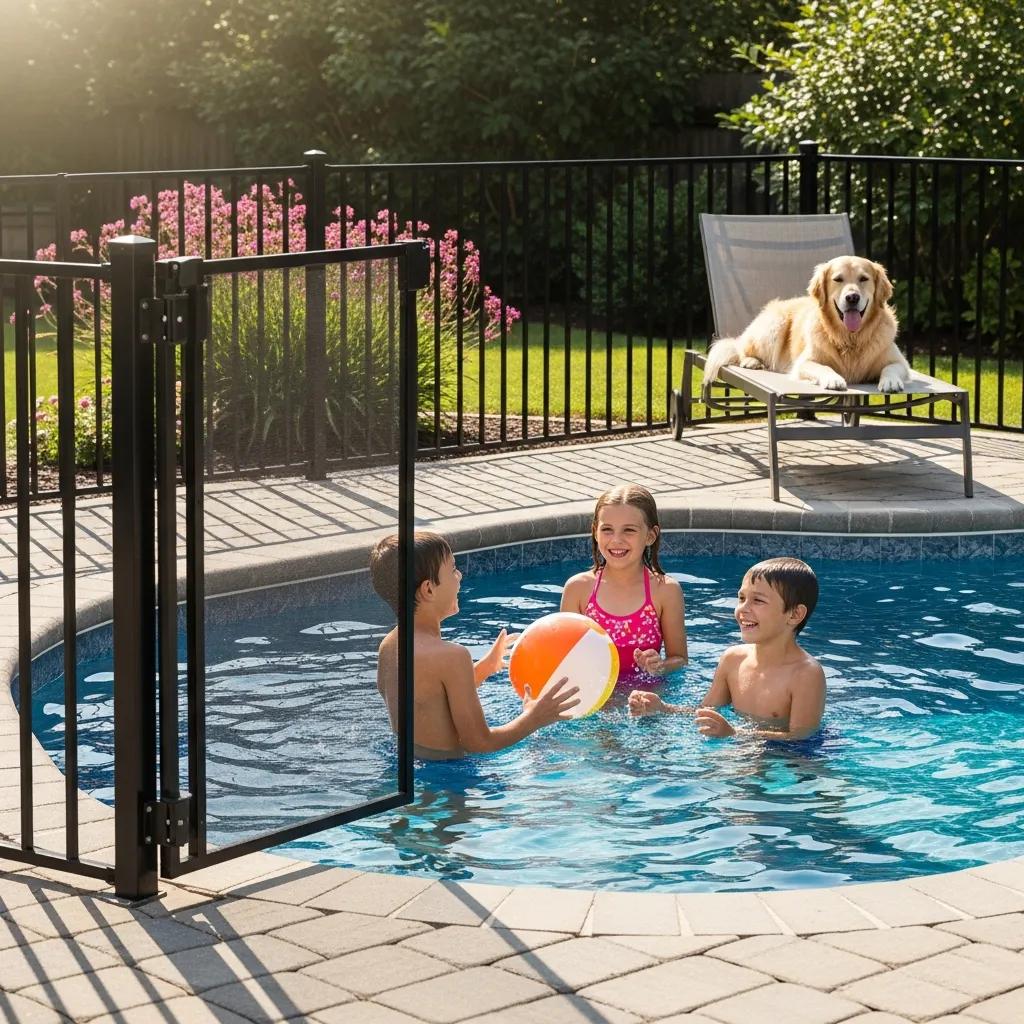
Pool gates are a straightforward first line of defense: they block unsupervised access and reduce the chance a child wanders into the water. Most effective gates are self-closing and self-latching so they close automatically after use. When choosing a gate, focus on design and installation details:
- Height: Aim for at least 4 feet high to discourage climbing.
- Material: Choose durable materials — aluminum or vinyl resist weather and last longer.
- Installation: Secure anchoring and correct hardware are essential to prevent tipping or bypass.
Properly selected and installed gates significantly reduce unintentional pool access for young children.
Multiple studies underline pool fencing as a primary, passive intervention that meaningfully lowers drowning risk in preschool-aged children.
Pool fencing as an intervention for child drowning prevention
The research evaluates pool fencing as a passive environmental measure to limit unintended access to pools and reduce drowning among preschool children. Given the scale of the issue and the potential impact of fencing, the study examines fencing's effectiveness as a prevention strategy.
Pool fencing for preventing drowning of children, 1996
What Role Do Pool Sensors and Alarms Play in Child Safety?
Alarms and sensors add a critical alert layer to physical barriers. They detect unexpected water entry or breaches around the pool and notify caregivers so they can respond quickly. Key types and features include:
- Water Sensors: Detect sudden movement or disruption on the water surface and trigger an alarm.
- Perimeter Alarms: Monitor gates or doors that lead to the pool area and sound an alert if opened.
- Best Practices: Test alarms regularly and keep batteries and firmware up to date.
When maintained and paired with physical barriers, alarms greatly improve the chance of early detection and a timely response.
Evidence supports the effectiveness of automated systems in sounding alerts when a body enters the water, reinforcing their value in a layered safety plan.
Automated pool drowning alarm systems
This paper discusses a security approach for pools that detects when someone falls into the water and triggers an alarm, helping protect swimmers and those who may accidentally enter the pool.
Design a fully automated safety and security system for swimming pools, 2022
How Can Pet Barriers Improve Pool Safety for Pets?
Pets can also be at risk around pools. Pet-specific barriers keep animals from accessing the water unsupervised and reduce the chance of accidental falls or drownings. Selecting the right barrier depends on your pet’s size and behavior.
What Options Exist for Pet Pool Barriers at Home?
Homeowners can choose from several effective pet barrier types:
- Mesh Fencing: Lightweight and removable, mesh is easy to install and store while still keeping pets out.
- Hard Fencing: A permanent, sturdy option that can be tailored to your yard and landscaping.
- Pool Covers: When properly rated, covers can serve as a barrier and prevent pets from falling into the water.
Pick the solution that matches your pet’s size, agility, and the level of permanence you want.
How Do I Choose and Install a Reliable Pet Safety Barrier?
Effective pet barriers come down to material, design, and installation:
- Material Selection: Use weather-resistant, chew- and scratch-tolerant materials.
- Height and Design: Make sure the barrier is tall enough and has no gaps pets can squeeze through.
- Professional Installation: A pro can ensure the barrier is anchored correctly and built to local safety expectations.
Professionally installed barriers give pet owners confidence that their animals are protected around the pool.
What Safety Advantages Do Automatic Pool Covers Offer?
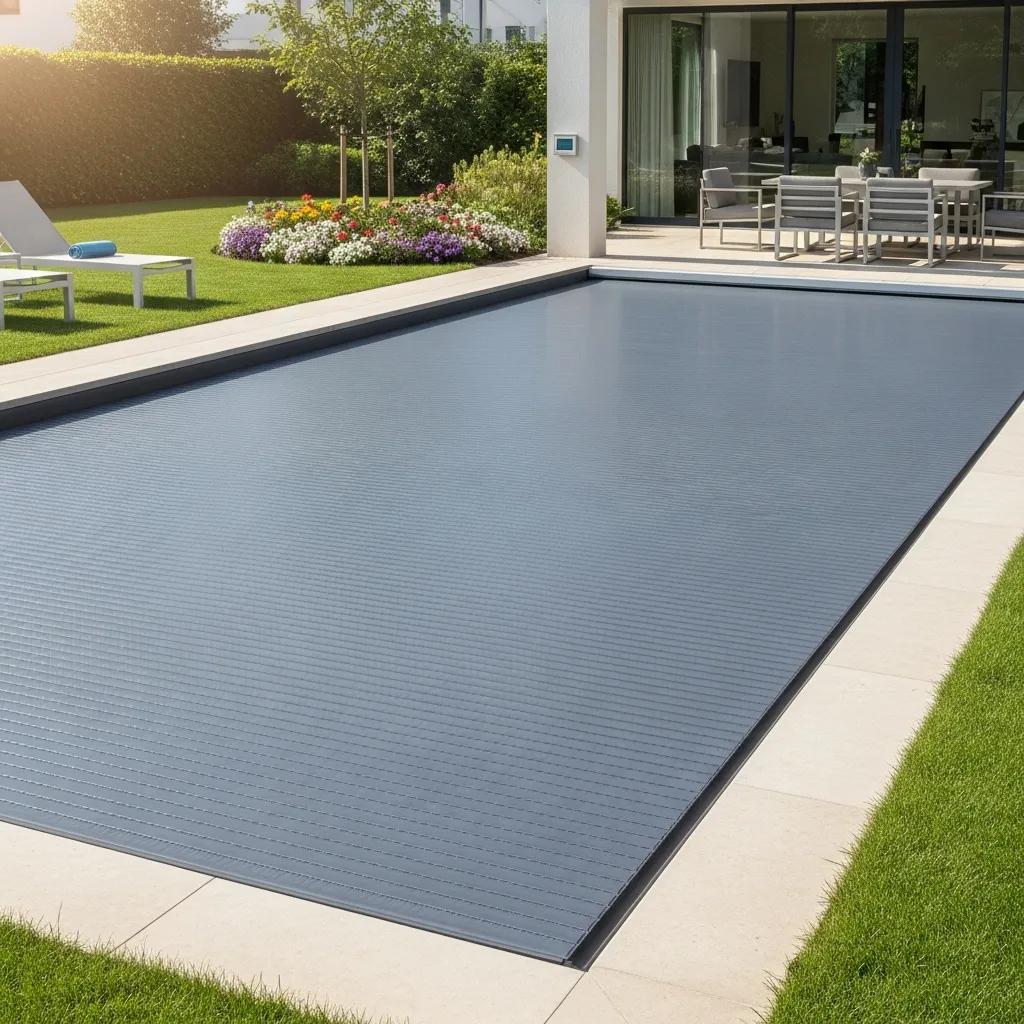
Automatic pool covers combine convenience with strong safety benefits. They roll out quickly, provide a solid surface over the water, and reduce the chance of accidental falls by children or pets when the pool is not in use.
How Do Automatic Covers Prevent Accidents?
These covers form a physical barrier across the pool, often able to support the weight of a child or pet. Beyond safety, they help retain heat and reduce evaporation, making them a practical investment for both protection and pool care.
What Installation and Upkeep Keeps Pool Covers Effective?
To maximize an automatic cover’s safety value:
- Regular Inspections : Check for wear, tears, and smooth operation.
- Cleaning : Remove debris that can damage components or interfere with movement.
- Professional Maintenance : Have a technician inspect mechanical parts annually.
Routine care keeps covers reliable when you need them most.
Which Pool Safety Products Meet Standards and Best Practices?
Choosing devices that meet recognized standards helps ensure they perform as expected. Both national standards and local codes provide guidance on acceptable safety equipment and installation.
What Do ASTM and Local Pool Safety Rules Require?
ASTM (the American Society for Testing and Materials) offers specifications for barriers, alarms, and other safety gear. Local ordinances may add additional rules — for example, minimum fence heights or gate functions — so check both national standards and local requirements.
How Can I Confirm Compliance During Installation?
To make sure installations meet rules:
- Research Local Laws : Verify specific requirements for your city or county.
- Consult Professionals : Use certified pool-safety installers for compliant work.
- Keep Documentation : Retain receipts, manuals, and inspection reports for future reference.
Following regulations reduces liability and ensures your safety measures perform as intended.
How Should I Maintain and Monitor Pool Safety Systems Long-Term?
Ongoing maintenance and attentive monitoring are essential to keep safety systems functional. A short checklist and a schedule can prevent small issues from becoming dangerous failures.
Consistent attention to safety equipment — testing, cleaning, and servicing — is a simple but vital habit recommended by industry guidance.
Risk management and maintenance for pool safety
Routine attention to pool safety is often overlooked despite its importance. Regular inspections — including checks of lifts and other accessibility devices — help catch problems early and keep equipment reliable.
Swimming Pool Safety—Risk Management Best Practices, 2014
What Maintenance Schedule Is Recommended for Alarms and Gates?
A clear maintenance rhythm keeps devices dependable. Typical recommendations:
- Monthly Checks: Test alarms, latches, and moving parts for correct operation and visible wear.
- Annual Professional Inspections : Hire a qualified inspector to review all safety systems each year.
- Immediate Repairs : Fix any problem right away — don’t wait.
Regular upkeep reduces the risk that a safety device will fail when it's needed most.
How Do Smart Sensors Work with Mobile Alerts?
Smart pool sensors can send instant notifications to your phone when they detect water entry or a security breach. Paired with mobile alerts and remote monitoring, these systems give caregivers real-time awareness and quicker response options.
What Questions Do Families Commonly Ask About Pool Safety?
Knowing the frequent questions families have about pool safety helps you prioritize the right devices and behaviors for your home.
How Do Pool Alarms Protect Children and Pets?
Alarms detect unusual water movement or a break in a cover and alert caregivers immediately. They can be mounted to the pool, integrated into covers, or set at access points. The goal is fast notification so an adult can check the area and intervene if necessary.
Which Pool Gates and Barriers Are Most Reliable?
Look for options with strong safety records and durable construction. Common, effective choices include:
- Self-Closing Gates : Automatically close and latch, preventing accidental open access.
- Mesh Fencing : Flexible and removable, good for short-term or seasonal use.
- Hard Barriers : Fixed fencing that offers long-term security and custom fit.
The best choice fits your yard, family habits, and local code requirements.
For more details and product options, visit K&S Pools.
Frequently Asked Questions
What should I consider when choosing a pool safety cover?
When selecting a safety cover, prioritize material strength, weight-bearing capacity, and ease of use. Make sure the cover is rated to support a child or pet and fits your pool precisely. Automatic covers offer convenience but often require professional installation and routine servicing. Regular cleaning and inspection will extend the cover’s life and reliability.
How can I teach my children about pool safety?
Start with clear, consistent rules: no unsupervised swimming and always ask an adult before entering the pool area. Reinforce rules with visual reminders and model safe behavior. Enroll children in age-appropriate swim lessons and practice emergency drills so they know what to do if something goes wrong.
What are signs a pool safety device is failing?
Watch for odd noises, alarms that won’t trigger, loose latches, or visible damage to gates and fences. For electronic devices, low-battery warnings or connectivity loss are red flags. Regular inspections will help you spot these issues early and arrange repairs.
Are there specific pool safety rules for my location?
Yes — regulations vary by jurisdiction. Common rules cover fence height, gate self-closing mechanisms, and alarm requirements. Check local codes and speak with local building or health departments or certified safety professionals to confirm what applies in your area.
How can technology improve my pool safety setup?
Technology can add timely alerts and remote visibility. Smart sensors, camera monitoring, and app-controlled covers allow real-time notifications and remote checks. When combined with physical barriers, these tools increase awareness and speed of response.
What upkeep does a pool safety barrier need?
Inspect fences and gates regularly for rust, loose fittings, or damage. Clean surfaces to prevent buildup that could impair moving parts. For mesh fencing, check for tears and secure fittings. Arrange annual professional reviews to ensure everything remains safe and functional.
Final Thoughts
A layered approach — combining barriers, alarms, covers, technology, and ongoing maintenance — provides the best protection for children and pets around pools. Thoughtful installation, regular checks, and adherence to local standards will keep your pool area safer and give you greater peace of mind. Explore trusted products and expert services to build the right safety plan for your home.