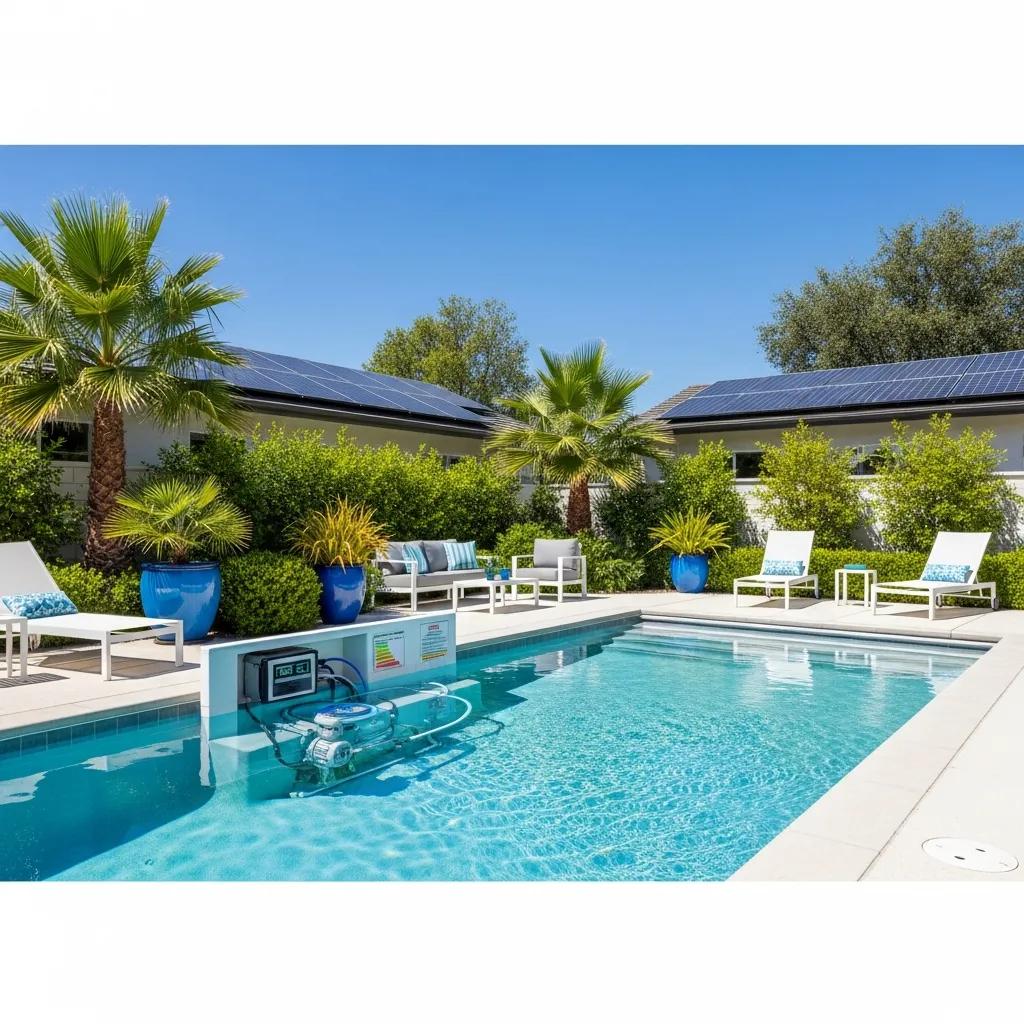
Trends in Energy Efficient Pool Equipment
Energy‑Efficient Pool Equipment: Trends and Smart Upgrades

More homeowners are choosing greener options, and energy‑efficient pool equipment has moved from niche to mainstream. This article breaks down the latest advances — from variable‑speed pumps and solar heaters to smart automation — and explains how they cut energy use while improving your pool’s performance. You’ll get clear guidance on benefits, upkeep tips, rebate opportunities, and real homeowner results so you can decide which upgrades make sense for your pool.
Variable Speed Pool Pumps — What They Are and How They Save Energy
Variable‑speed pool pumps run at adjustable rates instead of one constant speed, which lets them match the pump’s work to the pool’s needs. That flexibility can cut energy use by as much as 80%, lower monthly electric bills, and reduce wear on the equipment — often extending the pump’s service life. For many homeowners, switching to a variable‑speed model is one of the quickest ways to improve efficiency and reduce operating costs.
A technical report further illustrates the energy and cost advantages of upgrading from single‑speed to variable‑speed pumps.
Variable Speed Pool Pumps for Energy Savings
This report compares energy use and basic costs when replacing traditional single‑speed pool pumps with variable‑speed models, offering guidance on potential savings and payback.
Measure guideline: replacing single‑speed pool pumps with variable‑speed pumps for energy savings, 2012
How Variable Speed Pumps Cut Pool Energy Use
By letting you choose lower flow rates for routine tasks like filtration, variable‑speed pumps avoid wasting power. Running at reduced speeds during non‑peak times uses far less electricity while still circulating water effectively. The result: lower energy bills, gentler mechanical stress on the system, and fewer repairs over time — a practical investment for most pool owners.
Key Features and Benefits of ENERGY STAR Certified Pumps
ENERGY STAR certified pumps meet strict efficiency standards set by the U.S. Environmental Protection Agency. Typical features include improved motor designs, programmable schedules, and quieter operation. Beyond immediate energy savings, these pumps help shrink your household carbon footprint and make pool ownership simpler and more sustainable.
How Solar Pool Heaters Are Changing Eco‑Friendly Pool Heating
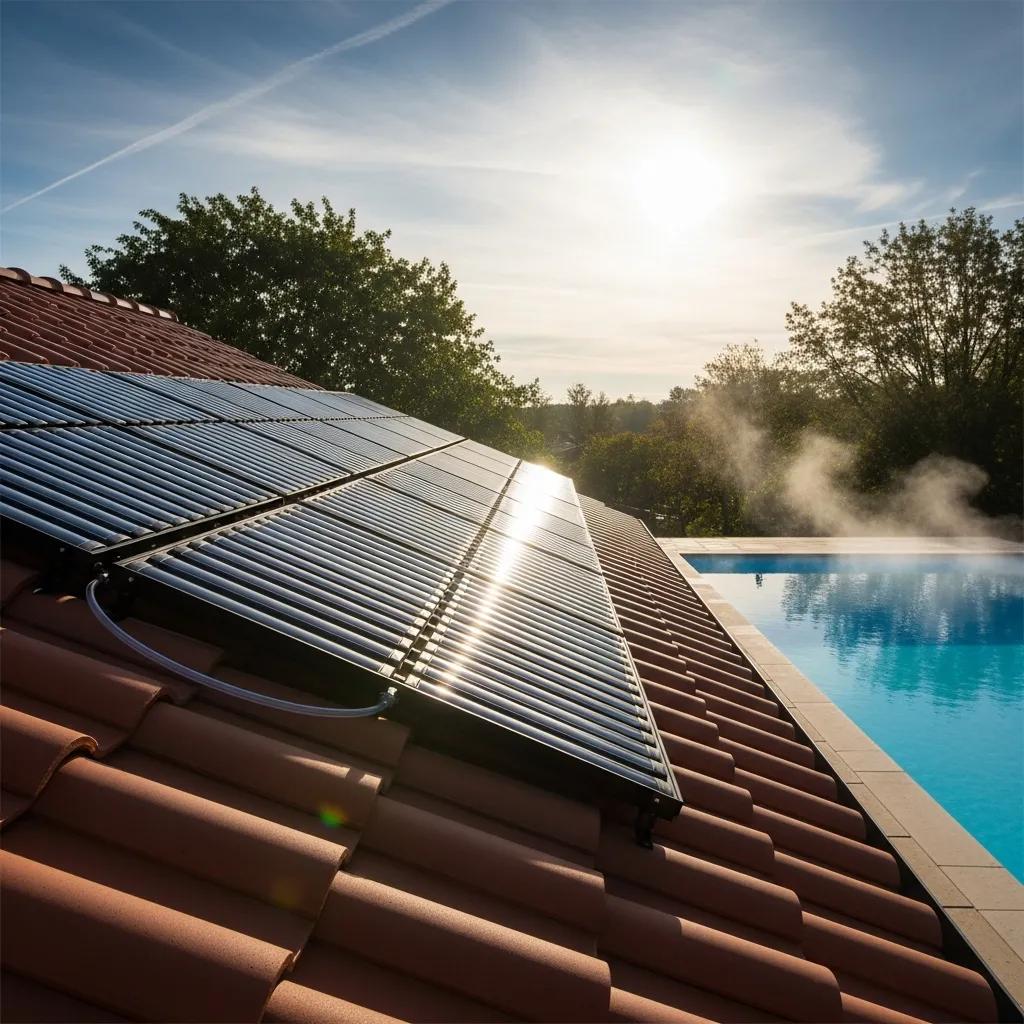
Solar pool heaters use sunlight to warm pool water, offering a renewable alternative to gas or electric heaters. Panels capture solar energy and transfer it to the pool, cutting fuel use and operating costs. For many homeowners, solar heating provides a reliable, low‑cost way to extend the swim season while reducing dependence on fossil fuels. pool school
Technologies That Improve Solar Pool Heating Performance
Modern solar pool systems benefit from higher‑efficiency collector panels, smarter control electronics, and better fluid routing. Automated controls and sensors fine‑tune when and how heat is transferred, helping the system reach set temperatures faster and with minimal waste. These improvements make solar a more practical option for a wider range of climates and pool sizes.
The Environmental Upside of Solar Pool Heating
Switching to solar for pool heating lowers greenhouse gas emissions and reduces reliance on non‑renewable fuels. Over time, the reduced operating costs often offset the initial investment, making solar an attractive move for homeowners who want both economic and environmental benefits.
Pool Automation — Smarter Controls, Lower Energy Use
Automation systems centralize control of pumps, heaters, and chemical feeders, allowing equipment to run only when needed. By coordinating schedules, pump speeds, and heating cycles from a single interface, these systems cut waste, improve water quality, and make pool ownership easier.
Recent research underscores how intelligent control systems can substantially reduce energy use in pool facilities.
Intelligent Control for Swimming Pool Energy Optimization
This study presents a novel intelligent management system that reduces energy use in indoor pools. Sensors monitor factors such as relative humidity, water temperature, and ambient temperature, and the system issues commands to pool components to maintain efficient, optimal conditions.
Design and fabrication of an intelligent management and control system to optimize energy consumption in indoor swimming pools, M Aliasghary, 2021
How Smart Controls Optimize Pump Speed and Cut Power Use
Smart controllers use data and algorithms to run pumps at the best times and speeds for your pool’s activity and conditions. By matching pump operation to demand — and avoiding unnecessary high‑speed runs — these systems reduce energy consumption and improve overall system performance, giving you a more consistent pool experience with lower bills.
What’s New in Pool Automation
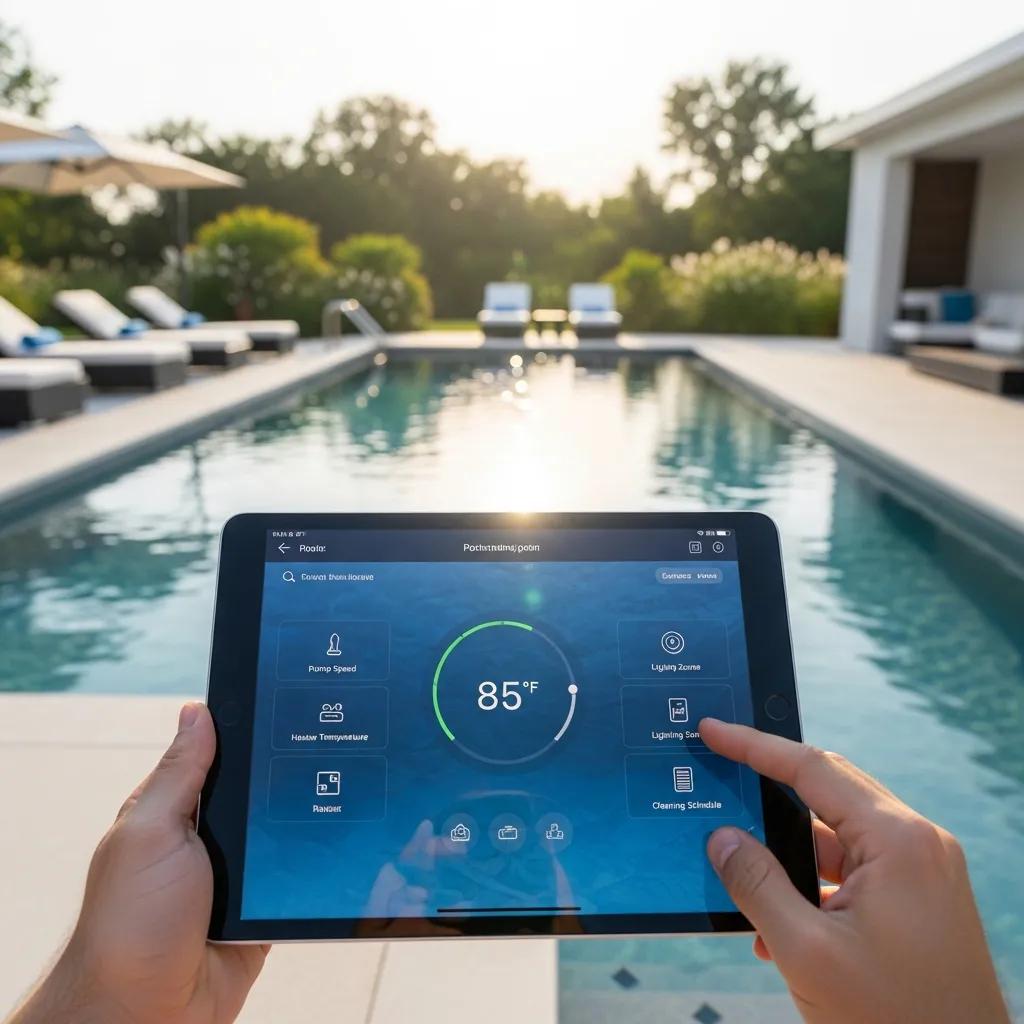
Today’s automation platforms tie into smart‑home ecosystems so you can monitor and control pool functions from a phone or tablet. Other innovations — like automated chemical dosing and predictive scheduling — keep water balanced and systems efficient, reducing manual checks and avoiding overuse of equipment.
Maintenance Practices That Maximize Pump Efficiency and Energy Savings
Routine maintenance keeps equipment running at peak efficiency and prevents small problems from becoming energy drains. A simple upkeep plan protects performance and extends the life of pumps, heaters, and other components.
How Regular Maintenance Lowers Energy Costs
Cleaning filters, checking seals, and inspecting moving parts help maintain proper water flow and reduce strain on pumps. When components work as designed, they use less power. Proactive servicing and fixing minor issues early avoid the higher energy and repair costs that come from neglected equipment.
Best Practices for Energy‑Saving Pool Equipment Care
To keep your pool gear efficient, follow these practical steps:
- Regular Cleaning: Clean filters and skimmers routinely so water moves freely and the pump doesn’t have to work harder than necessary.
- Monitor Water Chemistry: Keep pH and sanitizer levels balanced to prevent corrosion and scale that reduce equipment efficiency.
- Professional Maintenance: Arrange periodic inspections with a qualified technician to spot issues early and keep systems tuned.
Sticking to these basics helps lower energy use and keeps repair costs down over the long run.
Rebates and Incentives for Energy‑Efficient Pool Equipment
Many homeowners miss available rebates and incentives that can offset the cost of energy‑saving upgrades. These programs make it more affordable to choose efficient pumps, heaters, and control systems.
How to Qualify for Pool Equipment Energy Rebates
Homeowners typically qualify for rebates by buying ENERGY STAR certified equipment or taking part in local utility efficiency programs. Applications usually require proof of purchase and meeting specific program rules. Taking advantage of these offers can meaningfully shorten your payback period.
Government Programs That Support Green Pool Technology
Federal, state, and local programs sometimes provide financial incentives, rebates, or technical resources to encourage energy‑saving upgrades. Check with your utility and local government to find current programs in your area and maximize your savings.
What Case Studies Reveal About Cost and Energy Savings
Real homeowner and facility case studies show how green pool technologies perform in practice, giving concrete examples of cost reductions and energy savings.
Real‑World Results from Variable‑Speed Pump Upgrades
Multiple case studies report large savings after switching to variable‑speed pumps. In one example, an upgrade produced roughly a 65% drop in energy costs compared with a traditional single‑speed pump. Those kinds of results make a strong financial case for many pool owners.
Solar Heating and Automation: Measured Environmental Benefits
Case studies also document lower carbon emissions and reduced fuel use after installing solar heating and smart controls. Homeowners who adopt these technologies often note both lower bills and a greater sense of environmental responsibility.
For a full range of pool services and energy‑efficient equipment, visit K&S Pools.
Frequently Asked Questions
What are the benefits of using energy‑efficient pool equipment?
Energy‑efficient equipment reduces electricity use, lowers utility bills, and shrinks your pool’s carbon footprint. Technologies like variable‑speed pumps, solar heaters, and smart controls improve performance and comfort while often qualifying for rebates that reduce upfront costs. Overall, these upgrades make pool ownership simpler, greener, and more affordable over time.
How can I tell if my pool equipment is energy‑efficient?
Look for certifications such as ENERGY STAR and check manufacturer specifications for power consumption (watts or kilowatts). Compare those numbers to newer models and consider age, maintenance history, and runtime. Proper upkeep can also improve efficiency, so factor condition into your assessment.
What should I consider when upgrading to energy‑efficient pool equipment?
Balance upfront cost, expected energy savings, and available rebates. Match equipment to your pool’s size and usage patterns, and verify compatibility with existing systems. Think long term: lower maintenance, quieter operation, and reduced energy use often justify higher initial investment.
Are there specific maintenance practices that boost energy efficiency?
Yes. Regularly clean filters and skimmers, maintain balanced water chemistry, and schedule periodic professional inspections. These simple steps keep water flowing properly and prevent issues that force equipment to work harder and use more energy.
How do automation systems improve pool energy efficiency?
Automation centralizes control so pumps, heaters, and chemical systems operate only when needed. By scheduling runs, adjusting pump speeds, and reacting to real‑time conditions, automation minimizes wasted runtime and keeps systems running efficiently.
What are the environmental benefits of switching to solar pool heating?
Solar pool heating uses renewable sunlight instead of fossil fuels, cutting greenhouse gas emissions and reducing your reliance on non‑renewable energy. Over time, lower operating costs plus environmental gains make solar an attractive option for many homeowners.
Conclusion
Upgrading to energy‑efficient pool equipment — from variable‑speed pumps and ENERGY STAR‑rated units to solar heaters and smart automation — reduces energy use, lowers costs, and improves the overall pool experience. Look into rebates and local incentives to offset installation costs, and follow basic maintenance practices to protect your savings. If you’re ready to explore energy‑saving options, consider upgrading your equipment to make your pool greener and more cost‑effective.